About the Festival
Nowhere is an annual art gathering and is Spain’s official Burning Man regional event, deeply rooted in Burning Man’s 10 principles.
Set in the middle of the desert, the festival provides a temporary place where people build, collaborate, play, and express themselves freely.
Smaller and more intimate than Burning Man, Nowhere brings together around 4,000 participants—often called No-oners or Nobodies—who come from different backgrounds but are united by a shared desire to co-create a meaningful, community-driven experience.
Nowhere’s highlights and features:
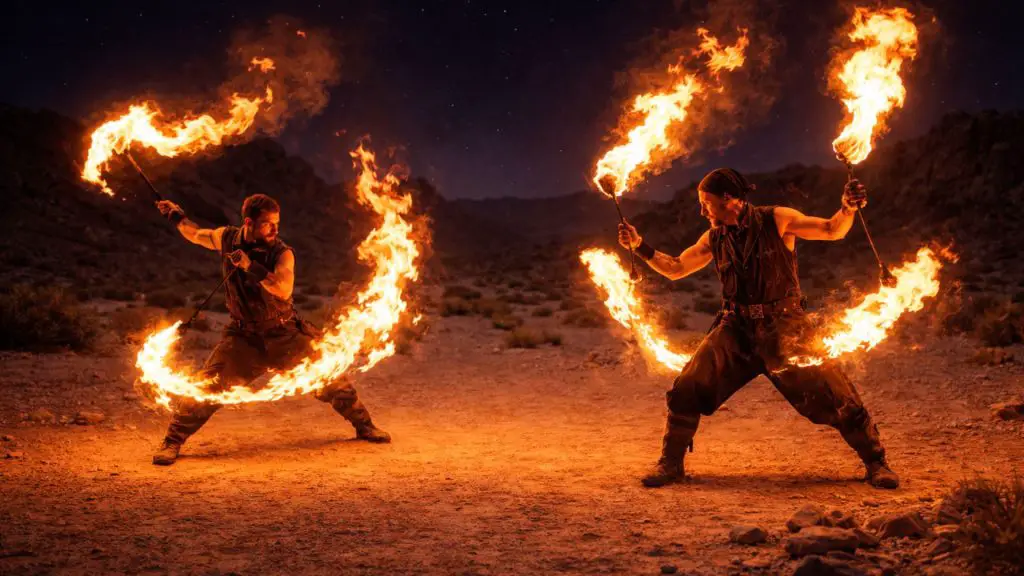
- Fire shows: Fire spinning and other flame-based performances light up the night with raw energy and hypnotic movement.
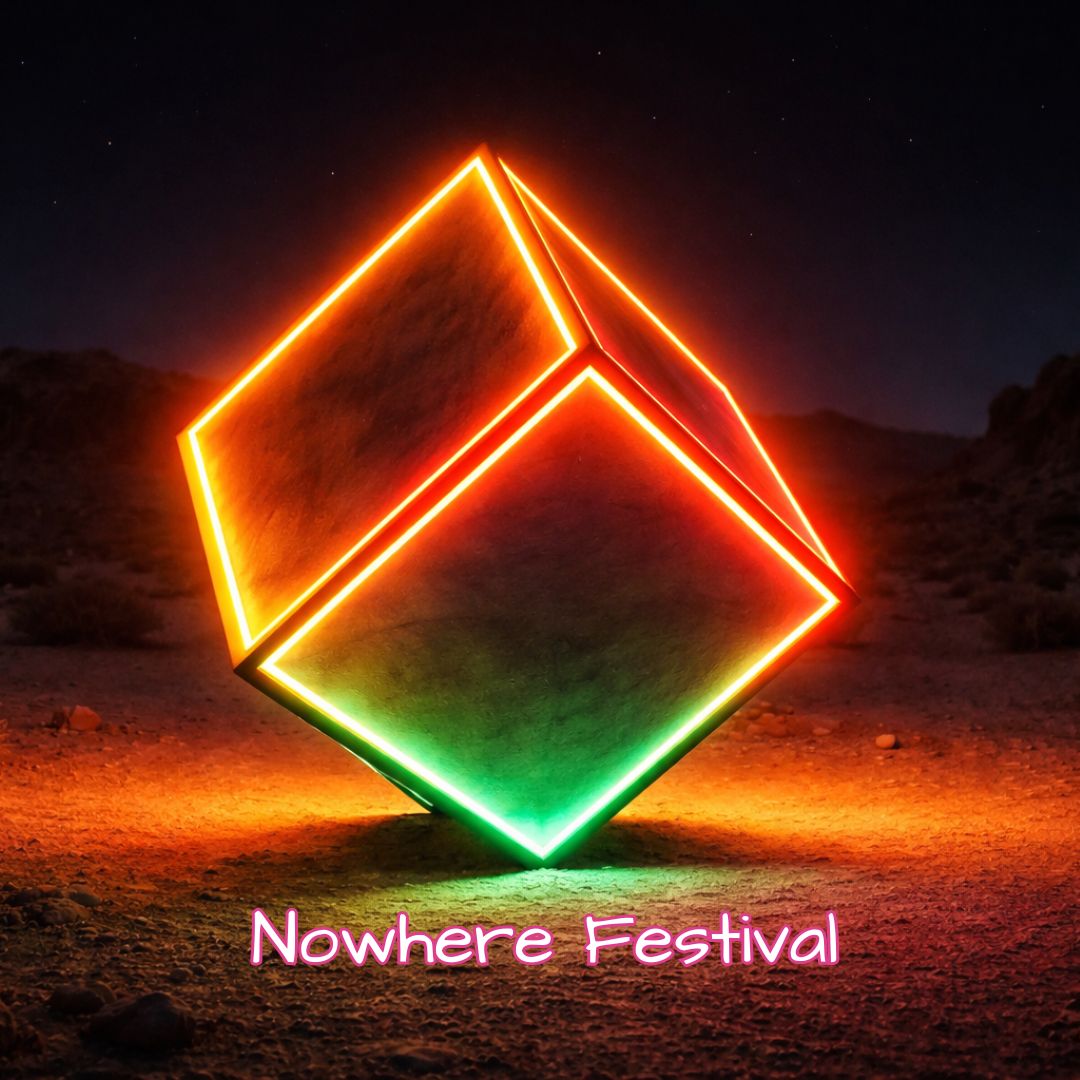
- Light art installations: Creative light displays turn the desert into a glowing light exhibition once the sun goes down.
- Theme camps (aka barrios): These community-built spaces act as gathering points for art, conversation, workshops, and spontaneous fun.
- Music and performances: DJs, live acts, and pop-up performances create an ever-changing soundtrack that flows through the festival atmosphere.
Festival Dates
The 2026 edition of Nowhere will happen from July 7 to 12, running for almost a week of desert fun, spontaneous moments, and good vibes.
Held right in the middle of summer, these dates bring warm weather, long daylight hours, and plenty of time for late-night light-filled experiences.
Circle the week on your calendar now, start sorting out your travel plans early, and book your spot ahead of time so you’re ready when the festival returns.

Where is Nowhere Located and How to Get There
Nowhere is set in the Monegros Desert of northern Spain, right in a wide stretch of rugged land between Zaragoza and Lleida. Nearest villages are Castejón de Monegros (about 12 km away) and Sariñena (around 19 km).
Organizers send detailed step-by-step directions to the actual festival location to all ticket holders before the event.
If you’re flying in, Zaragoza Airport is the closest major option, with many attendees also looking at Barcelona or Reus for more international flight choices, then continuing the journey by road toward the desert.
How to Get to the Festival Site:
- From Castejón de Monegros: Drive or join a ride share, then follow the official festival directions for the last 10 km on gravel roads.
- From Sariñena: Approach through local roads until the route shifts onto the desert tracks leading directly to the entrance.
- Official Directions: The festival team emails a Survival Guide with precise access info, so make sure you download it before you travel.
Train Travel Options (Nearby Cities):
- Closest Station: The nearest rail stop is Sariñena, located on the regional line between Zaragoza and Lleida.
- From Zaragoza or Lleida: Take a train into Sariñena, then arrange transport for the remaining 18–19 km to the festival grounds.
- Travel Tip: Regional train schedules can change, especially on weekends, so checking timetables early makes the whole trip smoother.
You can also check out these other stunning fire festivals:

Festival Hours
There isn’t a set schedule at Nowhere, as the festival unfolds 24/7 once the gates are open, blending art, workshops, music, and everyday camp life into one continuous experience.
Once it begins, the festival moves naturally from laid-back daytime hangouts to glowing after-dark moments, letting attendees dip in, or stay up late depending on how the day feels.
How Much Does it Cost to Join the Nowhere Festival
Nowhere keeps its ticket options flexible, making it easier for people from different backgrounds and age groups to take part in the event.
There are several entry tiers to choose from, ranging from more affordable passes to premium options for those who want added extras.
Here are the ticket prices:
- General: €275
- Low Income: €100
- Under 14: €2.5
- Ages 14–18: €85
- Local: €195
- VIP: €300 / €400 / €500
Take note, however, that these prices may vary or change. For the latest updates on tickets, stay tuned or visit the festival’s official website and social media accounts.

Festival Weather and What to Wear
Northern Spain in July, especially around the Monegros Desert, is hot and dry, with daytime temperatures often sitting between 30°C and 35°C, while nights cool down to around 18°C to 20°C.
Rain is rare during this time of year and the climate stays very dry, so expect bright skies, strong sunlight, and warm conditions.
Here’s what to wear and bring along to comfortably enjoy the festival:
- Lightweight T-shirts and shorts: Breathable fabrics help you stay comfortable during the hottest parts of the day, especially when you’re moving between camps or exploring art. Packing a few extras is smart since dust, sweat, and sun are part of daily life out here.
- Sun hat or cap: Covering your head makes a big difference under direct sunlight, especially during midday when shade is limited. A wide brim or solid cap also helps protect your face and neck.
- Sunglasses: Bright desert light can be intense, so good sunglasses help reduce glare and eye strain. They also make daytime wandering far more comfortable.
- Light jacket or hoodie: Temperatures drop after sunset, and nights can feel cool when you’re sitting around camp or watching nighttime art. A simple layer keeps things cozy without taking up much space.
- Comfortable, sturdy shoes: Dusty ground and uneven paths are part of the setting, so closed-toe shoes with good support will keep your feet happy from morning until late at night.
Hotels to Stay
For festival-goers who prefer a proper bed and a shower after long desert days, there are a few comfortable hotel options scattered around the nearby towns. Here are some of the hotels you can choose from:
- El Jardín de Gala: Located in Castejón de Monegros along Calle Ferial, this laid-back hotel offers free Wi-Fi, an outdoor pool, and free parking, which makes downtime feel simple and stress-free. It’s close enough to the festival route while still giving you a quiet place to reset.
- Hotel Cueva Tardienta Monegros: This comfortable 3-star option comes with free Wi-Fi, an outdoor pool, complimentary breakfast, and parking, so mornings start on the right foot. The hotel sits on Calle Aeródromo in Tardienta, a convenient spot for anyone arriving by car.
- Hotel Sariñena: Straightforward and easygoing, this 1-star hotel includes free Wi-Fi, a restaurant on site, and parking, covering all the basics.. You’ll find it near Plaza Constitución right in the middle of Sariñena, which keeps local cafés and shops within walking distance.
Where to Eat
If you’re looking for a solid meal before or after your desert adventure, the nearby towns offer a few dining spots you can try out:
- Restaurante Monegros: Located on Avenida de Fraga in Sariñena, this warm and welcoming spot offers outdoor seating, a fireplace, and even a private dining room if you want something quieter. You can dig into local favorites like longaniza, chorizo o pollo, then finish with a sweet pudin de chocolate.
- SAZERAC: This relaxed restaurant is known for tasty small plates like tapas de la barra, creamy ensalada de burrata, and chicken tacos with plenty of flavor. It’s set along Callizo de los Carneros in La Almolda, with outdoor seating and a comfortable space for groups.
- Restaurante Oto: Straightforward and satisfying, this bar and grill serves simple comfort food like huevos fritos and classic sandwiches when you want something easy. Located at Huesca on Calle Mayor, it’s a casual stop that everyone can enjoy.
More Things to Do in the Area
For those who want to explore beyond the festival grounds, the surrounding region offers striking landscapes and cultural gems that are well worth your extra time. Here are just some of the places you can check out:
- Ruta Jubierre: Located near Castejón de Monegros in the Sierra de Jubierre, this stunning route takes you through some of the most striking corners of the Monegros Desert, filled with rugged rock formations. It’s a great option for a hike, a bike ride, or a scenic drive when you want to see more of the landscape beyond the festival.
- Castillo-Ermita de San Sebastián: This quiet little chapel sits on higher ground and offers sweeping views across the open plains, making it a peaceful stop during your stay. It’s found just outside Castejón de Monegros.
- Aljafería Palace: About an hour away in Zaragoza, right in the middle of the city, this medieval fortified palace dates back to the 11th century and is packed with beautiful arches and layered history. It’s one of Aragon’s standout cultural landmarks.
A Blazing Conclusion: Final Thoughts on Nowhere Festival
Nowhere isn’t just another stop on the summer festival calendar; it’s a rare chance to step out of your routine, unplug from the noise, and spend a few days in a place where creativity, collaborative effort, and a genuine connection matter more than anything else.
And when you add in the rugged beauty of the Monegros Desert and other stunning attractions, the whole trip becomes more than a festival — it becomes a story you’ll be telling long after the event ends.
So if you’re craving something different, something hands-on and real, start planning now and see what happens when you meet the desert halfway.
FAQ
- Is there parking available at Nowhere Festival?
- Yes, there are designated parking and vehicle camping areas on site, and cars should remain parked in their assigned zones for the duration of the event.
- Can you smoke at the festival?
- Smoking is permitted, but participants must be extremely careful due to the dry desert conditions and must dispose of cigarette waste properly.
- Are pets allowed at Nowhere Festival?
- No, animals are not allowed at Nowhere because the environment, heat, and noise are unsafe and unsuitable for them.
- Is photography allowed during the festival?
- Yes, photography and filming are allowed, but you should always ask for consent and respect other participants’ privacy.
- Is food sold on site, or should I bring my own?
- You need to bring all your own food and water since Nowhere is a no-commerce event and nothing is sold on site except limited essentials like ice.
- Is Nowhere Festival accessible for people with disabilities?
- The festival provides welfare and medical support, but anyone with accessibility needs should contact the organizers ahead of time to plan properly.
- Are there restrooms at the festival?
- Yes, portable toilets are provided throughout the site, and participants are expected to help keep them clean and usable.
- Is Nowhere Festival family-friendly?
- Children are allowed, but the festival is not specifically designed for families, so parents should carefully consider the conditions before bringing kids.
Sources: https://www.goingnowhere.org/
https://festivalsandretreats.com/2016/01/29/nowhere-festival/